

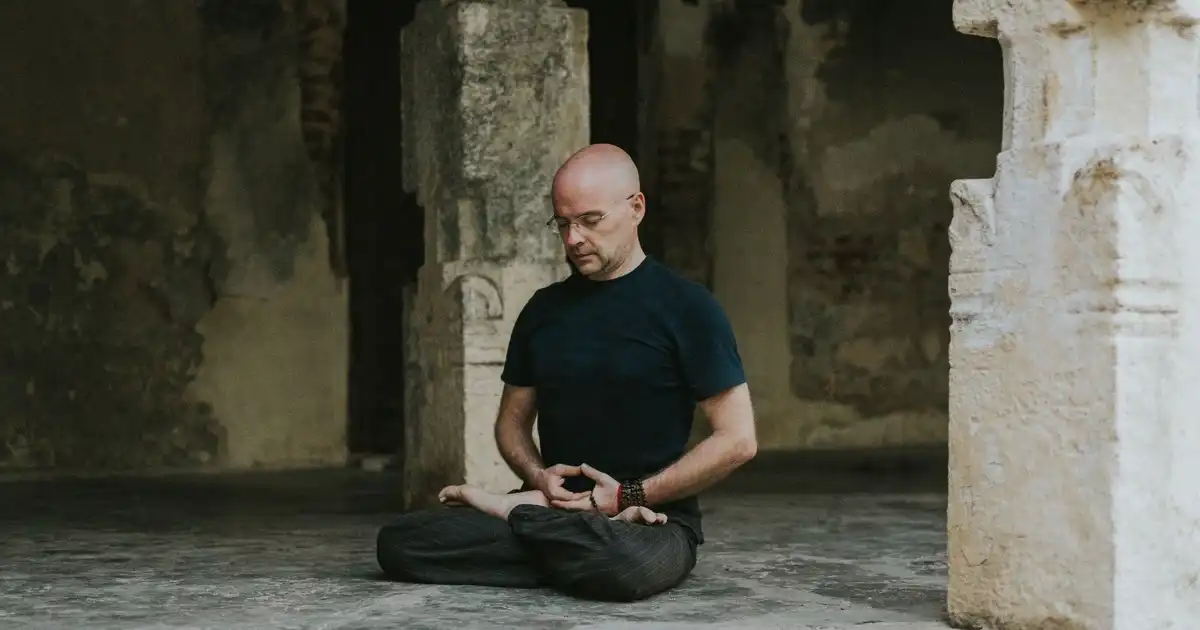
Every morning, I practise asana to look after my body and mind. Understanding the intention behind Ashtanga Yoga practice means stepping onto the mat even when it’s cold, even when it’s dark and raining outside. The discipline required becomes a daily choice to take care of yourself.
As I said, I practise asana every day for two reasons: my body and my mind.
The two are not as separate as one might think. I’m not just referring to the surge of endorphins that can accompany physical activity. Asana are a gateway to the mind, a tool for exploring the less tangible aspects of our being.
Asana for the Body
But let’s take it one step at a time. I said that the first intention is the body. It’s true: a consistent asana practice can bring about visible changes in the body and might even help you get ready for beach season. But these are secondary benefits. When I talk about taking care of the body, I’m referring to maintaining its functionality, keeping it in good working order through daily practice, and preventing the kinds of problems that, by the time we’re forty – if we’re lucky – are already beginning to catch up with us.
What if I told you that you could have any car you wanted: a Ferrari, a Lamborghini, a Porsche – but that it would be the only car you could drive for the rest of your life? I believe you’d take it to the car wash every week, make sure you had a garage to keep it in, and that after a year, or even five, it would still look as good as the day you bought it: without a single scratch. Well, your body is a miracle of bioengineering, but it’s also the only vehicle you’re given to navigate this human experience. Taking care of it is essential.
So, to sum up, I don’t practise asana so I can put my leg behind my head and post a cool pic on Instagram. I practise asana because, if I make it to 80, I’d like to still be able to climb the stairs carrying my shopping bags.
Asana for the Mind
And then there’s the second intention: the mind.
Practising asana correctly means tuning body and mind, bringing them into harmony. In Ashtanga, this subtle tuning takes place through vinyasa, the use of ujjayi breathing, bandhas and other techniques, all intended to keep you aware of the present moment.
Think for a moment about the last time you took a shower: were you really there, in the shower? Or, as the water ran over your body, were you thinking about a message you hadn’t replied to yet, what you should have said in that situation instead of what you actually said, or perhaps those friends you really need to find a way to meet because it’s been such a long time since you last saw them?
Far too often, throughout the day, our body is engaged in one activity while our mind is somewhere else. Perhaps it’s projecting itself into the future, making plans and dreaming of something that doesn’t yet exist, or reliving a past it cannot change.
Asana require you to be present as you practise. Of course, some postures may demand less attention, and it’s easy for the mind to wander off to the breakfast you’ll be having shortly. But staying with the flow of the practice, especially when facing the postures you find most challenging, brings your attention back to life and demands that your mind be right there, in the present moment.
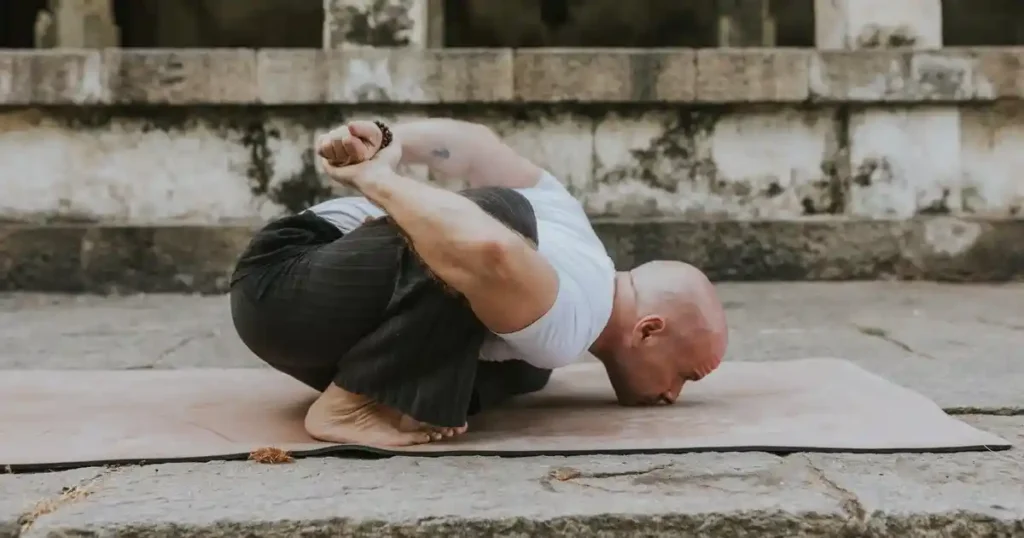
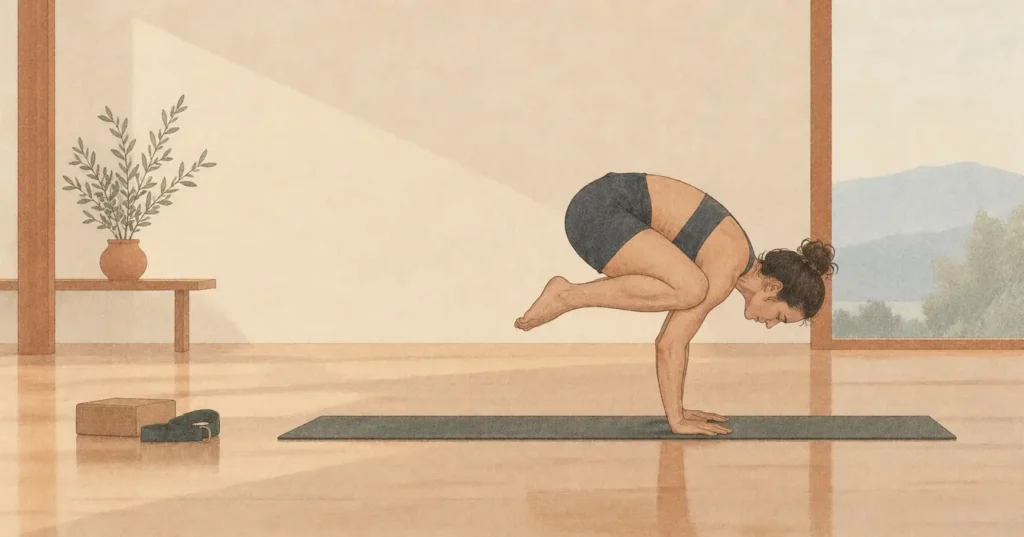
When you’re bending backwards, reaching for the floor with your hands in a drop-back, when you’re keeping your attention on your breath, trying to catch your ankles in Kapotasana, or balancing on your hands: you’re there. Through the body, your practice becomes a training ground for attention and presence.
This return to the present moment is also a necessary return to your centre, to that place of stillness within each of us from which all our choices should be made. The past is gone, the future is uncertain; the present is the only place where life happens.
This understanding of Ashtanga practice as a union of body and mind is also at the heart of Ashtanga Grammar: learning to read the practice through Alignment, Intention and Expression, so that you can understand it and gradually make it your own, without losing the principles of the tradition.
Conclusion
Practising every day means making time for myself, tuning body and mind through a practice in which discipline becomes a form of self-love. Practising every day helps me feel good about myself and relate better to others.
And why do you practise every day?
Buona pratica
Om shanti


Subscribe to the Newsletter
Workshops, updates from the shala, reflections on practice. I write when I have something to say.
Newsletter Subscription Confirmed
Namasté,
thank you for subscribing.
You'll receive essential updates on Ashtanga Yoga practice, study, and events.
Have a good day and happy practicing!
See you soon
Alan